Chapter 02 · The problem
Rewrites never reach the call sheet.
With the research done, the problem fits in one sentence. Behind it are three whys and a root cause, and every claim is backed by a sourced number.
Problem framing · the whole thing on one page
INT. A SMALL FILM TEAM — BETWEEN THE PAGE AND THE SHOOT
Despite having a finished script, the team is stuck. Their paperwork drifts from a story that keeps changing.
EVERY REWRITE
(costs)
Hours of re-typing. Or a wrong day on set.
CUT TO:
Problem statementWhy it happens
Writing tools stop at the page. Production tools start from a copy, so every rewrite is re-keyed by hand.
The pro stack is built for studios. Indies stitch free tools together, and nothing connects them.
The paperwork is tacit craft. First-timers skip it and pay for it on set.
Root causeNo shared data model between story and production. Each tool owns a private copy of the scene.
Who faces it
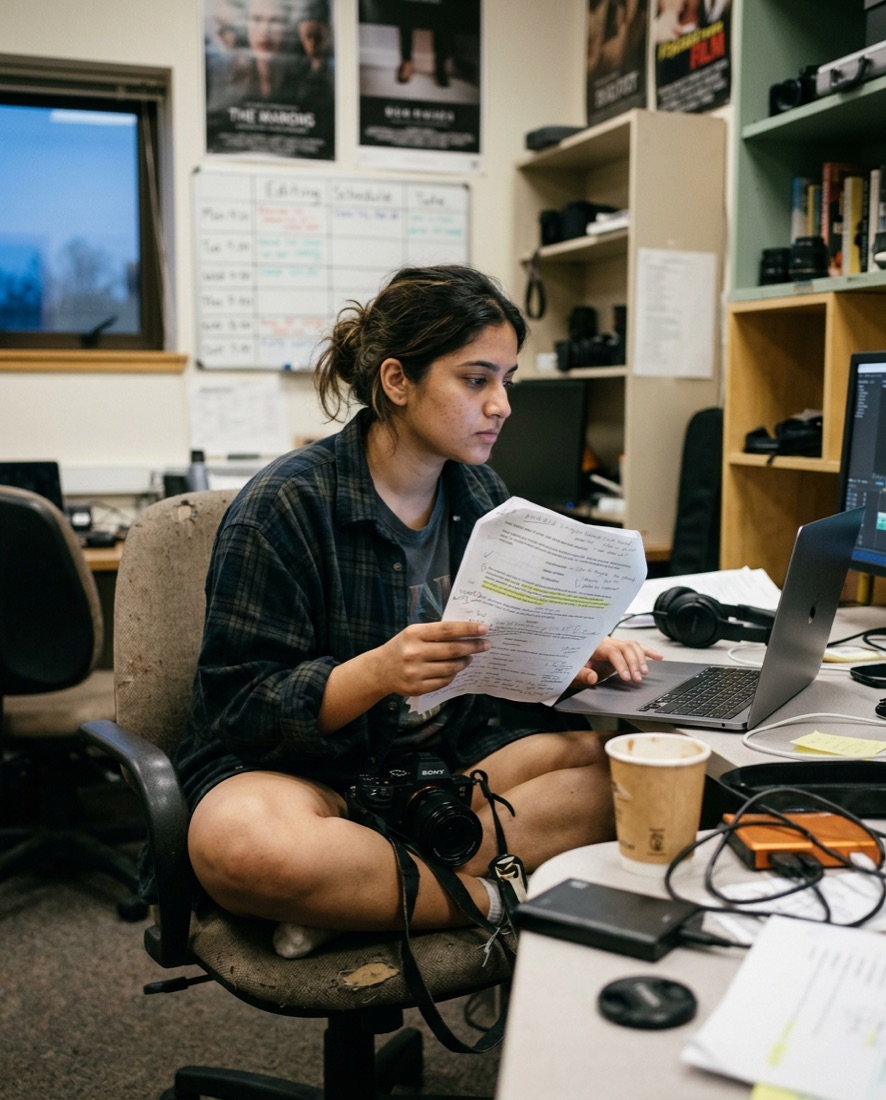

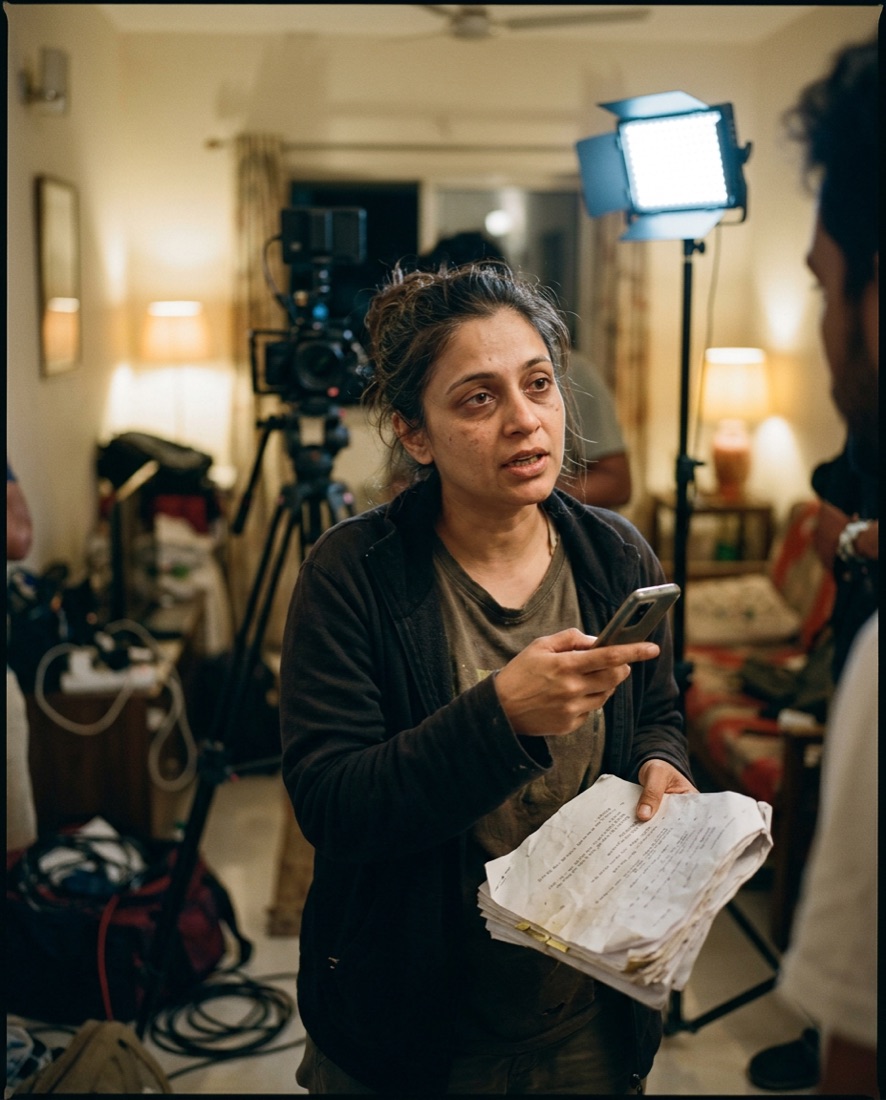
On micro budgets, in India first.
Why now
 250M+micro-drama app downloads
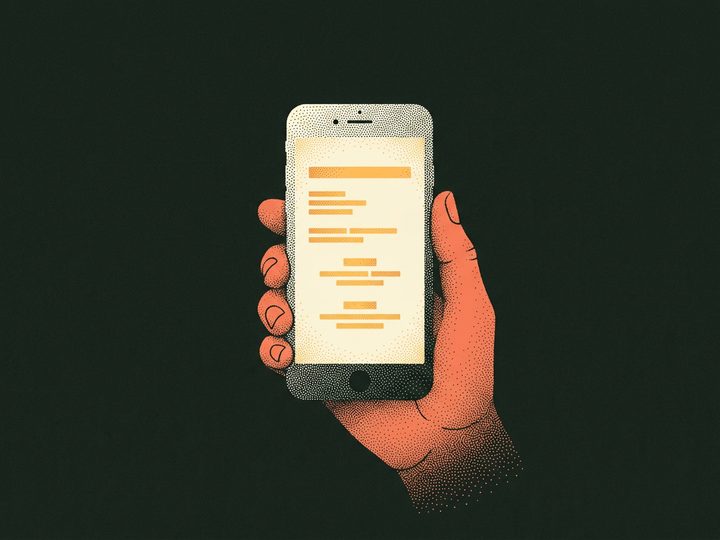 4.1MIndian creators, most outside the metros
 <₹50kpaid for most scripts, so $99/month is out
VisionEvery story, from first feeling to final call sheet, in one room.
How do we know it's a real problem? · every claim sourced
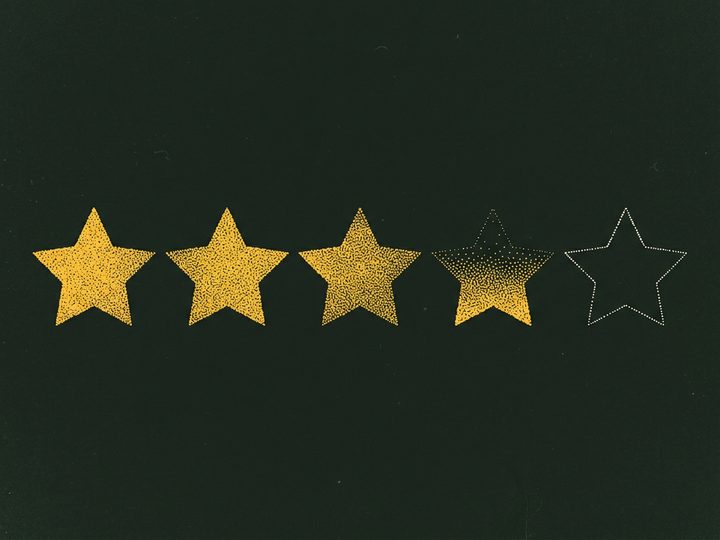 Review mining3.7 / 5
Final Draft's value-for-money score, its lowest category (functionality scores 4.45). Price and paid upgrades are its top complaints.
Software Advice · G2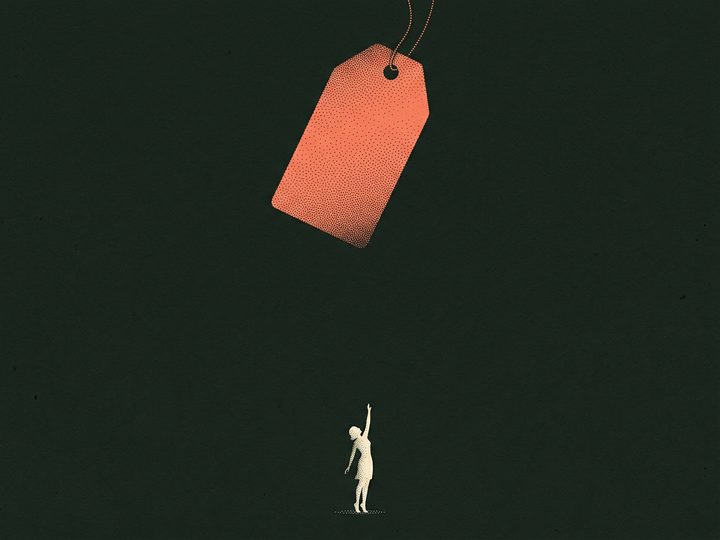 Review mining"Too high"
StudioBinder reviewers call pricing too high for independents, with essential features locked behind upper tiers ($49–149/month).
G2 · Trustpilot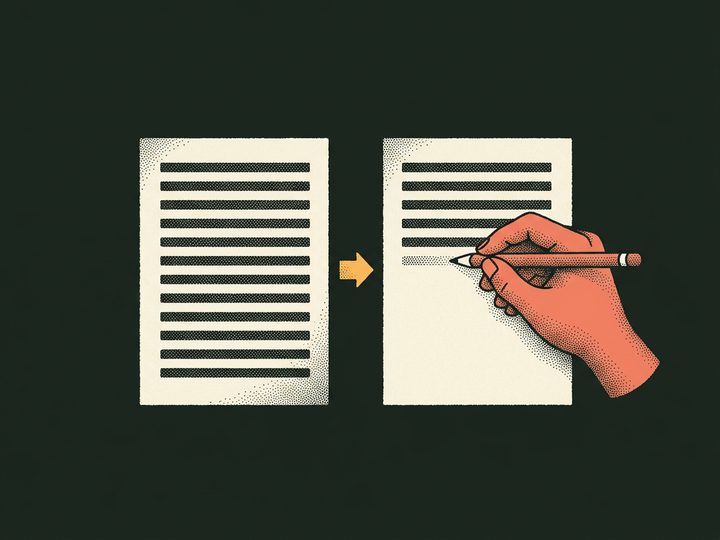 Vendor admissionBy hand
Even a production-suite vendor says spreadsheet breakdowns mean repetitive data entry and human error. The pain is real; their fix is a separate copy.
StudioBinder blog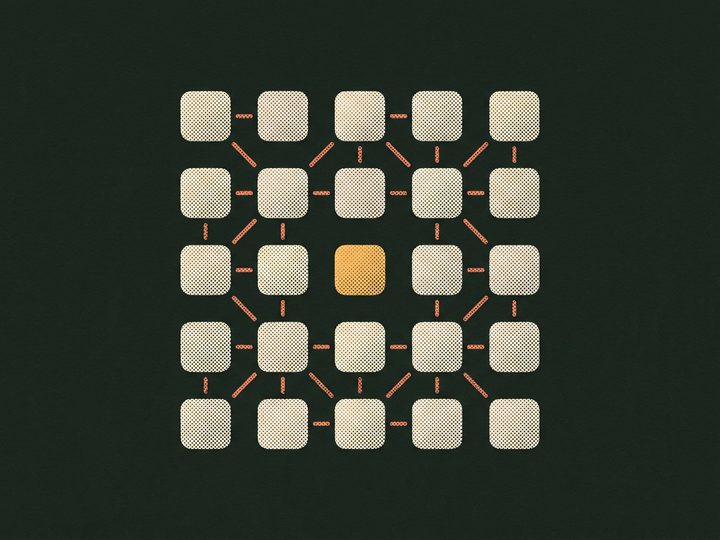 Competitive audit0 of 20+
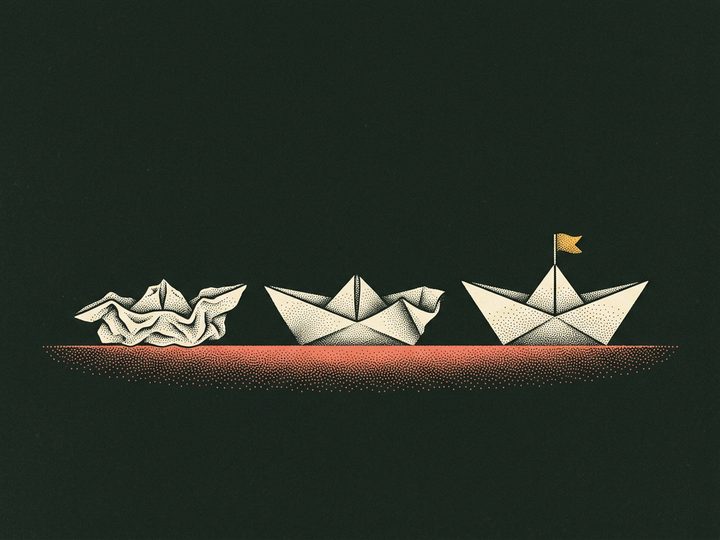
Tools we audited that update the breakdown, shots, strips and call sheet live from a script edit. Prep everywhere else starts from an import.
Kwark audits, Sept 2026 Field2 films
Ruh (8 festival awards) and KOAN: the founder hit the problem on his own sets and built Kwark because he needed it.
 Usability3 rebuilds
Shot listing a user couldn't find, a breakdown that felt like data entry, theory modules no crew could use: each rebuilt after it was seen to fail.
 Review miningPortability
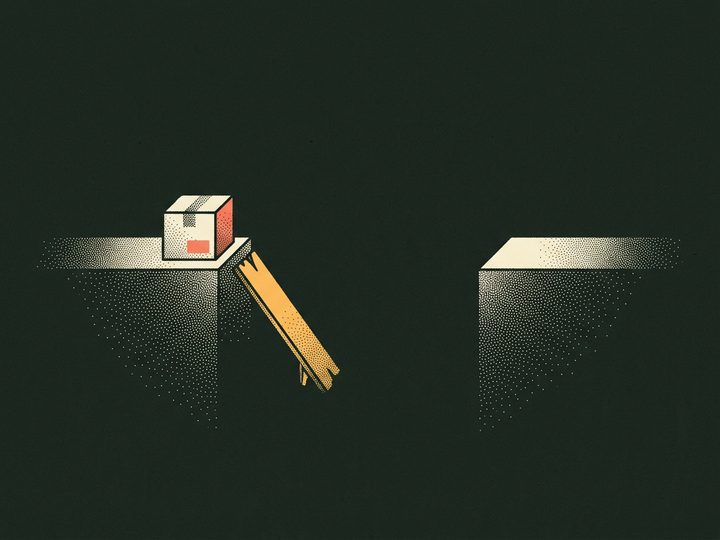
Celtx users report trouble exporting and moving work between platforms, the lock-in that keeps teams on a stitched stack.
Review roundupsSecondary research₹50kA typical micro-drama script fee (66.7% of writers surveyed earn under it), against a stack that can cost ~$140 a month.
Storyboard18This leaves a big gap: no tool keeps the story and its production paperwork the same document, at a price a student or an indie can pay.
The system today
A film runs on six tools that have never met.
A script app, a characters doc, world notes, a spreadsheet shot list, a scheduler and a WhatsApp group. Together they have no shared memory, so when scene 12 turns into night, nothing else finds out.
Places the truth lives: 6
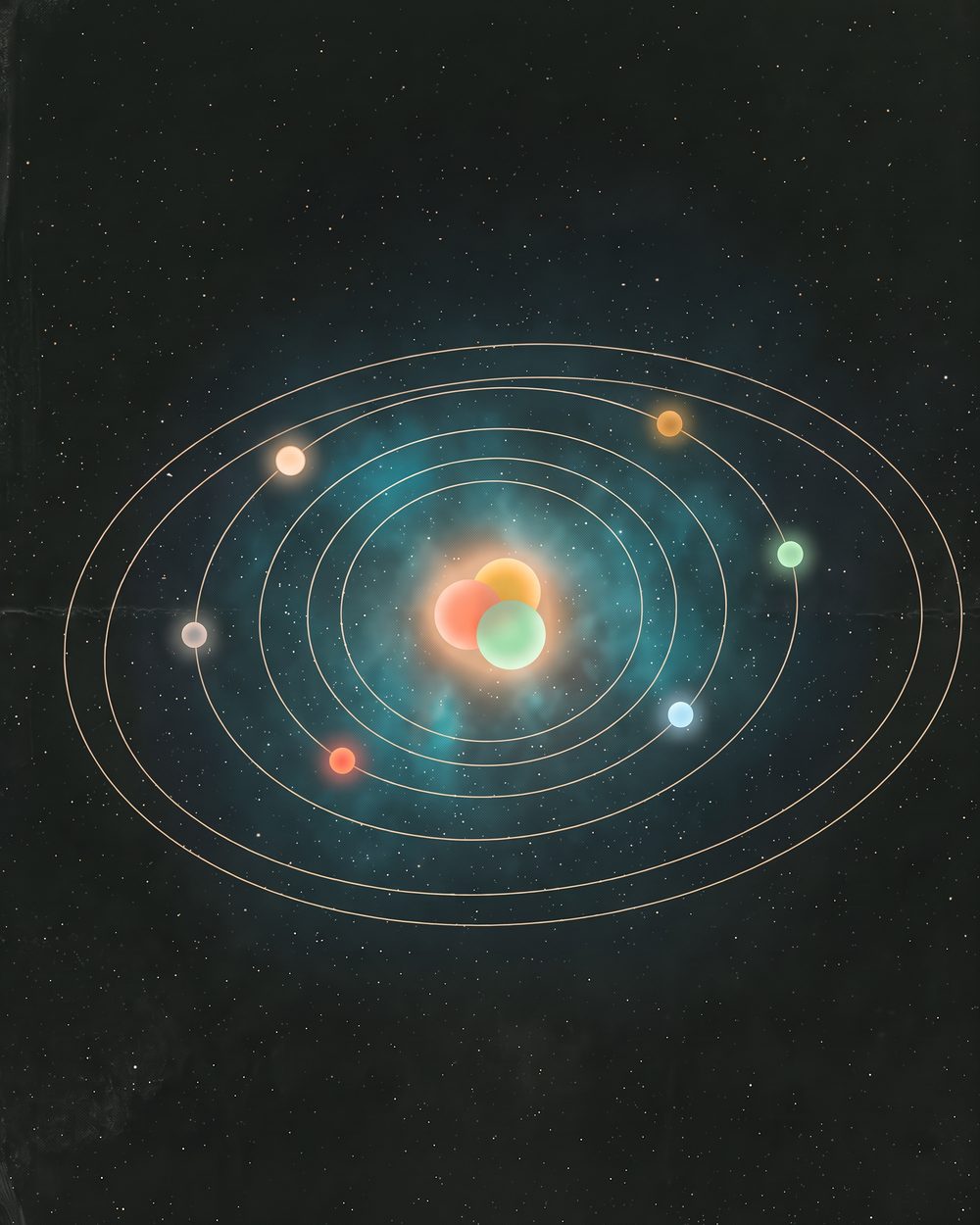

All of these revolve around one star: you.
Kwark.6 problems. 1 solution.
the story
The bill
What the status quo costs a one-person studio.
List prices via Capterra, G2 and Software Advice, 2025–26. The hours are an estimate to argue with.
What value does solving this create?
For students
- Learn the paperwork by making it: real breakdowns, strips and call sheets in industry layouts.
- A shooting book and pitch deck for the portfolio.
- Pay a fraction of a $99/month stack.
For indie filmmakers
- No re-keying: a rewrite reaches every sheet.
- Fewer wrong days on set; shoot days are the costliest unit.
- One subscription instead of 4–6.
For writers
- Write in 20-minute bursts on any device.
- Never lose a word: scene history, revisions, diff.
- Pitch material that can't drift from the draft.
For crew and cast
- Only their pages, always current.
- Actors never see the ending; leaks drop.
- Call sheets with the real sun.
For Kwark
- A ₹44 Cr SAM India beachhead (default assumptions).
- A crew-shaped viral loop: 1 film ≈ 12 people.
- Path to film schools as a B2B channel.