Chapter 01 · Research

Before we built anything, we looked.

Market sizing from people to rupees, the trends that make this the moment, a research trail with every source named, a 20-tool competitive audit, and the three people we're building for.

20+tools audited
2real productions
6report sources
₹44 CrIndia SAM

Market sizing · bottom-up, India first

Who could pay, and how much is that?

India is the beachhead: the creators are there, tool spend is low, and there's no localised competitor. Bottom-up, from people to rupees.

1 · TAM
storytellers: Indian creators making scripted video, plus film and media students
2 · SAM
who plan a shoot with a crew of three or more: the people who need prep
3 · SOM · year 3
paying users: the share we can realistically reach

Ring areas follow the share of people; the smallest ring is enlarged so it stays readable.

The assumptions behind these numbers 6 inputs · sourced or marked

Top-down cross-check: the global screenwriting-software market is $0.2–0.4B (2025, ~8–12% CAGR), with pre-production suites on top of that.

Why solve this now

More scripts, smaller teams, thinner budgets.

Secondary research250M+

Cumulative downloads of Indian micro-drama apps by Nov 2025. Five of them are in the top 10 free entertainment apps.

Exchange4media
Secondary research15+

Micro-drama apps in India by May 2025, each needing a steady supply of 60–100-minute scripted series.

Redseer via Exchange4media
Secondary research66.7%

Of surveyed micro-drama writers are paid under ₹50,000 for a 60–100-minute script, so a $99/month tool stack is out of reach.

Storyboard18 (n≈60, advocacy survey)
Secondary research4.1M

Indian creators in 2025, up from ~1M in 2020. Two in three are outside the metros, writing on phones.

ISB creator economy report
  • Scripted volume is exploding in short formats: vertical, episodic, fast.
  • Teams are getting smaller: writer, director and producer are often one person.
  • AI raises the expectation that "the tool knows my project".
  • Incumbent tools are priced in dollars, for studios.
  • .fdx and PDF lock-in: import has to be flawless.
  • Lose one scene and a writer never comes back.

The script · 10 centimetres · what we read before we built

The research trail, source by source.

TypeWhat we studiedWhat we learntShaped
FieldTwo productions: Ruh and KOANPaperwork drifts after every rewrite; crews trust paper layouts, not new UIs.P1 · P3 · principle "paper and data"
MarketIMARC, Technavio, EY, ISB, CBFC, RedseerA niche software market over a booming, mobile-first, low-budget creator base.India beachhead · pricing · phone layout
ReviewsG2, Capterra, Software Advice, Trustpilot: Final Draft, Celtx, StudioBinderPrice and tier-locking dominate complaints; portability and collaboration lag.P2 · P6 · import/export with review
AuditCharacter tools: Campfire, Plottr, World Anvil, Dabble, NovelPad, Final Draft, Celtx, Milanote, Notion, ObsidianRich profiles everywhere, but none tie a character to scene evidence or an actor's dossier.Characters · scene journey · actor PDF
AuditCamera & light tools: Shot Designer, StudioBinder, Shot Lister, FrameForge, set.a.light, Cadrage, Sun Surveyor, ScriptationDiagrams, sun apps and shot lists are separate products; none survive a script renumber.Shots & Boards · Camera & Light · sun on call sheet
UsabilityHallway tests on our own buildsUsers couldn't find shot listing; form-based breakdown felt like data entry; theory sliders produced nothing.Numbered steps · marked page · modules retired

Competitors are the floor

Parity on the basics. Alone on the highlighted rows.

CapabilityFinal DraftHighlandCeltxStudioBinderShot DesignerCampfireKwark
Industry-format screenplay●●●◐○○●
Characters, world, research◐○◐○○●●
Breakdown, shots, strips, call sheets○○●●◐○●
A script edit updates prep live○○◐◐○○●
Breakdown by marking the real page○○◐◐○○●
Voice fingerprints + script linter◐○○○○○●
Sun path on the call sheet○○○○○○●
Series and franchise canon (who knows what)○○○○○◐●
Paperwork localised for India○○○○○○●
Usable on a phone, sideways too◐◐◐◐◐◐●
● core◐ partial or via import○ not found in the products we reviewed

Who we're building for

Three people, no budget for a studio stack.

Segments were chosen for need, not demographics. Each passed four questions: do we understand them, can they pay something, does Kwark solve their pain, and are we different enough for them to switch?

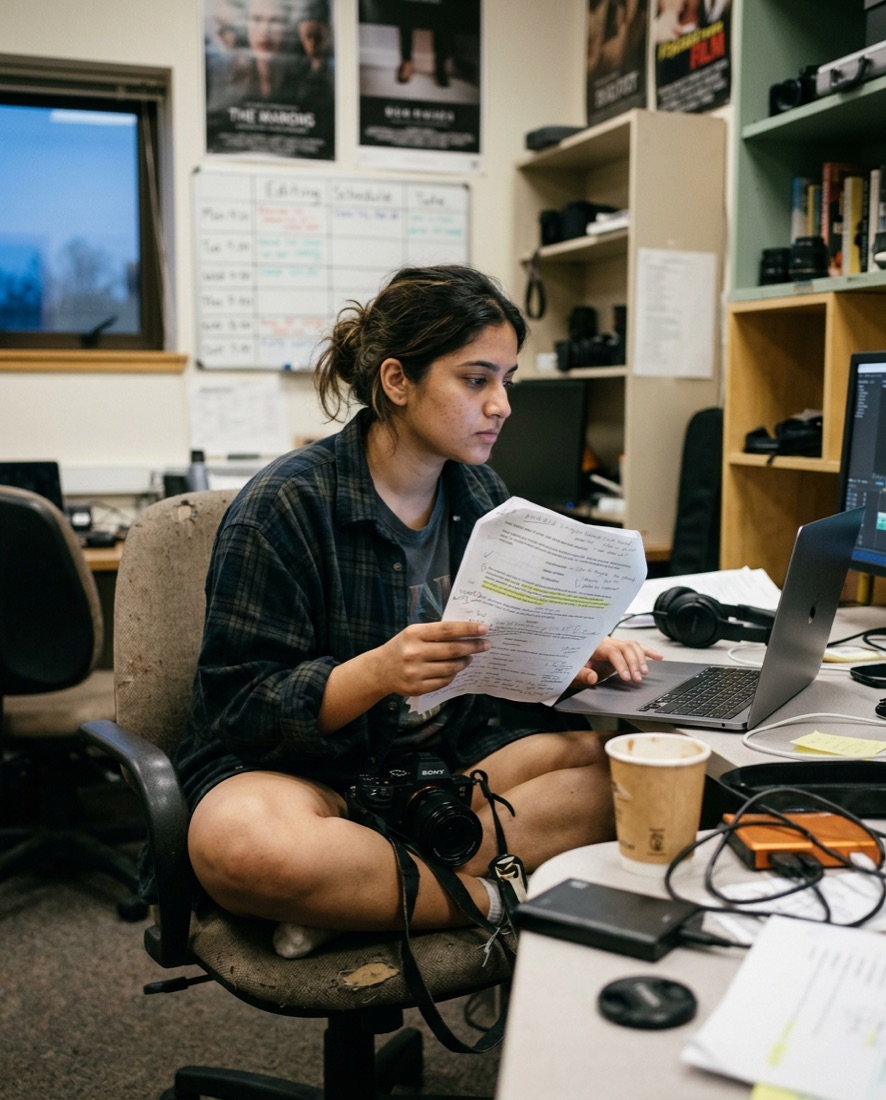
Segment 1 · learners
A film student reading a marked-up script in a college editing room
Learner

Aanya, 21

Thesis short due in four months. She's learning the format and the production paperwork at the same time, and can't afford licences.

“When I finish a draft, help me turn it into the paper a crew expects, so I can shoot without faking it.”

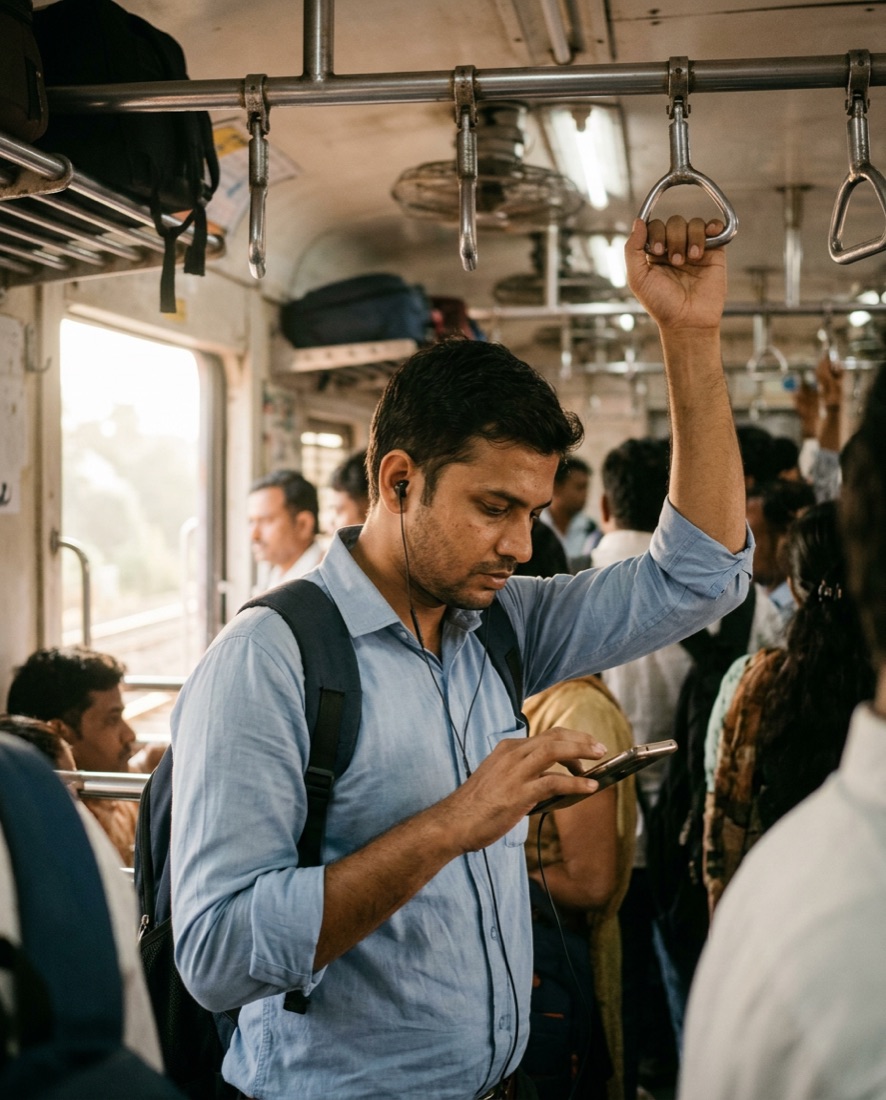
Segment 2 · moonlighters
A commuter typing on his phone in a crowded Mumbai local train
Moonlighter

Rohan, 31

An analyst who writes in 40-minute bursts on the train, on a phone turned sideways, and loses the thread between sessions.

“When I get twenty minutes, drop me back into the exact scene, so a short session still moves the draft.”

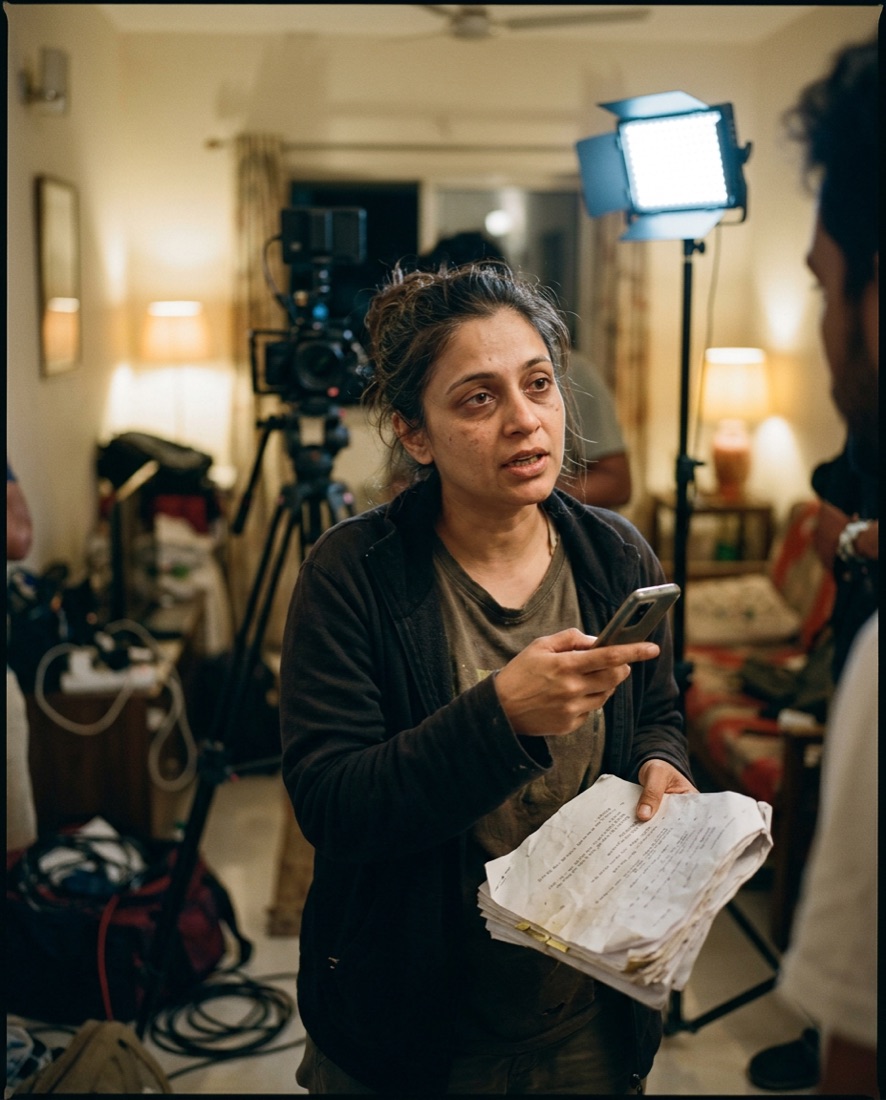
Segment 3 · one-person studios
An indie filmmaker holding a worn script on a small night shoot
Indie filmmaker

Meera, 36

She writes, directs and produces, with a 12-person crew and 18 days. Every rewrite means re-keying every sheet.

“When the script changes, make every sheet change with it, so the crew shoots the story I actually wrote.”

Proto-personas synthesised from two real productions and review mining. The photographs are illustrative.

Journey map · Meera, from page to set

The feeling dips at every hand-off.